

Seeking out the
5000 greatest films
in a century of cinema


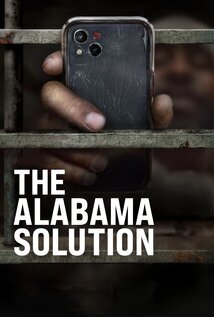

The Alabama Solution



Produced by Andrew Jarecki, Charlotte Kaufman, Alelur "Alex" Duran, and Beth Shelburne
Music: Mark Batson and Chris Hanebutt
Release Date: 10 October 2025
Aspect Ratio: 1.85 : 1
Color: Color
This documentary grew out of a visit to Easterling Correctional Facility in Alabama by filmmakers Andrew Jarecki (Capturing the Friedmans, The Jinx) and Charlotte Kaufman to film a community event. During the that day, many incarcerated men approached them explaining that what they had been invited to film did not represent the conditions of abuse, corruption, drug abuse, and violence occurring in the Alabama prison system. Those brief conversations launched a six-year investigation, during which prisoners obtained cell phones to document their living conditions and communicate with the filmmakers.
As a description of systemic failure, government corruption, and dehumanizing policies within the walls of institutions that call themselves "correctional facilities," this is a harrowing indictment and an important work. As a documentary, it's limited by it's approach. The most distinctive but frustrating aspects of the narrative are conveyed by the incarcerated men via the cell phones smuggled in to them, or purchased on the prison's massive black market. The fact that it's so easy to get this type of "contraband" into the prison, mostly by way of the corupt guards, speaks volumes itself. Still, we'd hope that after half a decade of work, the phones on the inside would capture more and enable a clearer understanding of the culture and inner workings of the system.
A couple of characters emerge from the phone interviews and we spend enough time with them to feel we know them. They convey well their personal stories about forming connections and becoming educated in prison. We then have enough of a sense of them when the narrative shifts to events that happen in the prison during the filming. These events include the murder of an inmate by a guard with a long record of dismissed accusations of violence against him, and an organized work strike by the prisoners in an attempt to bring awarness to their situation. The strike is by far the most effective sequence in terms of how the cellphone video is edited and contextualized with interviews, news clips, and footage from the outside. This sequence works on multipul levels and conveys more than one concept at a time.
I wish more of the picture had worked as well as that strike sequence, which is both riveting and difficult to watch. But most of what is presented in The Alabama Solution comes to us via verbal reportage and interviews from the prisoners. The understandably low quality footage only gets across a fraction of what we'd like to understand from the inmates. There are a few talking heads outside the prison, including one former guard who provides damning testimony, and some politicians and PR folks who glibly explain how the justice system works in Alabama. The time we spend with these interviewees, and with the family of the murdered inmate, showcase how much more powerful the footage from inside the prison might have been had it been used more sparingly, rather than trying to make it the central aspect of the picture. The movie feels like an attempt to tell a familiar story from a underrepresented perspective in a unique manner that just doesn't have enough footage to fully pull that off. Jarecki and Kaufman might have served their cause better by embracing a more traditional approach, but since the most effective, and upsetting, aspect of the movie is the feeling of hopelessness it conveys, it feels pointless to second guess.
Andrew Jarecki and Charlotte Kaufman's documentary about the coruption and violence within the prison syste, is powerful but frustrating attempt to tell a familiar story from a underrepresented perspective in a unique manner that just doesn't have enough footage to fully pull that off.