

Seeking out the
5000 greatest films
in a century of cinema


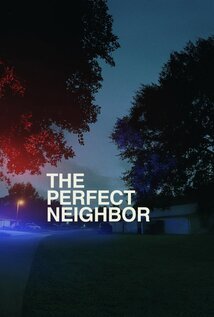

The Perfect Neighbor



Produced by Sam Bisbee, Alisa Payne, Geeta Gandbhir, and Nikon Kwantu
Music: Laura Heinzinger
Release Date: 10 October 2025
Aspect Ratio: 1.85 : 1
Color: Color
Geeta Gandbhir's Oscar-nominated documentary takes the approach of the previous year's best Oscar-nominated short. Bill Morrison's The Incident uses nothing but publicly released police bodycam footage and silent traffic-camera video to tell the story of the fatal police shooting of a Black barber on a Chicago street corner in 2018. Gandbhir's feature uses the same approach, with some audio interviews, news clips, and interrogation-room footage, to tell the story of another killing, the shooting of a Black mother, Ajike Owens, by her white neighbor, Susan Lorincz.
Lorincz is the type of "get off my lawn" neighbor many of us grew up with, though instead of a grumpy old man, she is an isolated, possibly mentally ill middle-aged woman. She's one of those people the term "Karen" was created to describe. We see the police responding to 911 call after 911 call from Lorincz, only to find kids from the neighborhood playing in the yards that abut Susan's rented apartment. The landlord has no issue with the kids playing there, nor does anyone else who lives on the street. The cops can do nothing but file a report, tell the kids to stay off her property, and tell Susan to maybe cut her neighbors some slack since, after all, they're just kids playing. But the calls keep coming.
It is interesting to see a contemporary documentary made up primarily of police bodycam footage that isn't either old-school "cop-a-ganda" like the TV show COPS, or footage of the most horrific, racist, and out-of-control law-enforcement officers killing unarmed people (usually Black people) and claiming justification because they fear for their lives. The Perfect Neighbor paints the cops like what most police officers probably are: regular people trying to do their job but who are totally ill-equipped, both in terms of their training and the parameters of the laws they enforce, to de-escalate situations or really to do much of anything beyond observing and reporting—unless or until something terrible happens. When bad shit does go down, at best, the wheels of justice move slowly. At worst, the justice system delivers no justice at all.
The concern that justice might not happen in this case was clearly the impetus for this film. Gandbhir's sister-in-law was a close friend of Ajike Owens, and the project to collect footage and document the incident was clearly intended to keep Owens' name and story alive throughout the legal process. But the film does much more than simply collect and edit footage to make a case. The experience of watching this feature film provokes many emotions and provides many insights into all the issues that have been front-and-center in terms of the policing of communities of color, the double-standards of the justice system, the state of mental health in America, and the ever-expanding rights of gun owners in states like Florida, where this incident occurred.
Much of the footage is harrowing. This is one of many films from 2025 that showcase the pain and trauma of people, including young children, in ways that many may find exploitative. However, I'm sure the families of these kids, like the mother of the five-year-old girl whose actual voice recordings are used in The Voice of Hind Rajab, gave the filmmaker their full consent and cooperation, as I assume I would have. After all, when loved ones are killed senselessly, most of us want their deaths to "mean something." Still, it's sometimes hard, when watching a film like this on TV rather than in a theater, to not wonder if folks have this movie on while they're doing the laundry or making dinner, scrolling their phone, or whatever else people do these days when they're "watching movies" at home. Still, I commend Netflix for putting this out, and I hope they campaign for it as well as they did last year's least Oscar-worthy short doc, The Only Girl in the Orchestra, which, of course, won over The Incident—a vastly more worthy movie that I placed in my top five Oscar nominees of 2024. Gandbhir, producer Nikon Kwantu, and editor Viridiana Lieberman are to be commended for the inventive way they've constructed this film and for their restraint in keeping it from turning into the polemic it could so easily have ended up as.
Building a compelling film from 2 years of police bodycam footage & 911 calls, Gandbhir's documentary chronicles events that led to the death of a mother at the hands of her neighbor, providing effective, measured commentary about how ineffective even the best-intentioned police are when it comes to de-escalating volatile situations.